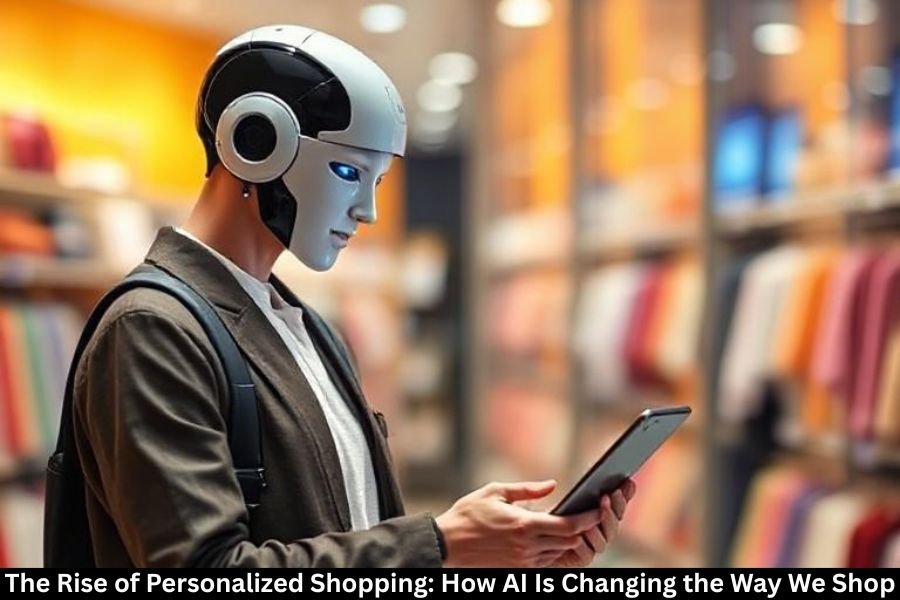
Shopping has evolved far beyond the days of wandering aimlessly through crowded aisles. Today, the retail experience is tailored, streamlined, and intelligent, all thanks to artificial intelligence. Personalized shopping is no longer a futuristic concept—it’s a present-day reality that’s reshaping how we buy everything from clothes to groceries.
Why does personalization matter? Because consumers now expect brands to know them—not just their names, but their tastes, habits, and preferences. AI makes this possible at scale, creating a shopping journey that feels uniquely yours.
Understanding AI in Retail
What is AI-Powered Shopping?
AI-powered shopping uses machine learning algorithms and data analytics to predict what customers want and deliver personalized experiences. It’s more than recommending a product—it’s about anticipating needs before you even realize them.
The Difference Between AI and Traditional E-Commerce
Traditional e-commerce is static. You see the same homepage and product suggestions as everyone else. AI, however, learns from your behavior, past purchases, and even browsing patterns to serve content and offers tailored to you.
Personalization Engines Explained
How Recommendation Algorithms Work
Algorithms analyze your interactions—clicks, searches, purchases—and compare them with similar shoppers to recommend products you’re most likely to enjoy. It’s like having a personal stylist, but digital and 24/7.
Predictive Analytics and Shopper Behavior
Predictive analytics allows retailers to forecast trends, anticipate needs, and suggest products that align with your unique preferences. The result? A shopping experience that feels intuitive and effortless.
Benefits of Personalized Shopping
Enhanced Customer Experience
Tailored experiences keep shoppers engaged and satisfied. From curated homepages to personalized emails, every touchpoint feels relevant and thoughtful.
Increased Customer Loyalty
Customers are more likely to return to brands that “get them.” Personalization fosters trust, loyalty, and long-term engagement.
Higher Conversion Rates
When products match your interests, you’re more likely to buy. AI-driven recommendations increase average order value and boost sales performance.
Real-World Examples
Amazon’s Recommendation System
Amazon’s algorithm suggests items based on your browsing history, purchases, and even what others with similar tastes bought. It’s a prime example of personalization in action.
Netflix’s Personalized Viewing Experience
Netflix curates shows and movies based on your viewing habits. The more you watch, the smarter the platform becomes at predicting your next favorite series.
Fashion Retailers Using AI
Brands like Zara and Stitch Fix use AI to recommend clothing based on style preferences, sizes, and even current fashion trends, making shopping effortless.
The Role of Data
Collecting Shopper Data Ethically
Data is the lifeblood of AI personalization, but collecting it responsibly is crucial. Consent and transparency are key to building trust.
Analyzing Data for Better Recommendations
Once collected, data is analyzed to identify patterns, predict preferences, and deliver relevant suggestions that feel personalized rather than intrusive.
AI Chatbots and Virtual Assistants
Personalized Assistance in Real-Time
AI chatbots answer questions, provide product recommendations, and guide shoppers through complex decisions instantly, enhancing convenience.
Reducing Friction in the Customer Journey
Virtual assistants remove barriers, helping customers find what they want faster, ultimately increasing satisfaction and conversion rates.
Mobile Personalization
App-Based Shopping Experience
Mobile apps leverage AI to adapt home screens, suggest products, and provide exclusive offers based on user behavior.
Push Notifications and Personalized Offers
Targeted notifications alert users to sales, restocks, or products they’re likely to love, keeping engagement high.
Challenges of AI Personalization
Privacy Concerns and Data Security
Excessive data collection can spark privacy worries. Retailers must secure data and communicate clearly how it’s used.
Avoiding Over-Personalization
Too much personalization can feel creepy or manipulative. Striking a balance between helpful and intrusive is essential.
The Future of Personalized Shopping
Voice-Activated Shopping
AI voice assistants like Alexa and Google Assistant enable hands-free, personalized shopping, learning from your commands over time.
Augmented Reality and Virtual Try-Ons
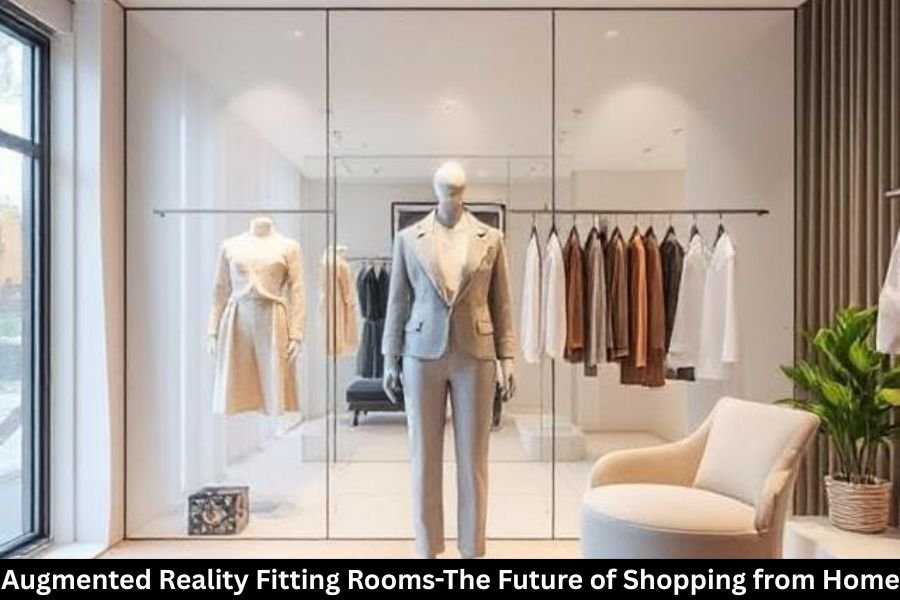
AR allows customers to “try” products virtually, from clothes to furniture, enhancing decision-making and satisfaction.
How Shoppers Benefit
Time-Saving Convenience
Personalized shopping reduces browsing time, delivering what you need quickly and efficiently.
Discovering Products They Actually Love
AI exposes customers to products they might never find otherwise, creating delight and deeper engagement.
How Retailers Can Leverage AI
Integrating AI Into Existing Platforms
Retailers can use AI tools on websites, apps, and emails to create seamless personalized experiences without overhauling systems.
Training Staff to Use AI Insights
AI insights empower staff to provide better customer service, combining technology with human touch.
Ethical Considerations
Balancing Personalization with Privacy
Ethical personalization respects boundaries while still delivering value, ensuring customers feel safe and understood.
Transparency in AI Recommendations
Clear communication about how AI suggests products builds trust and fosters long-term loyalty.
Conclusion
The rise of personalized shopping powered by AI is transforming the retail landscape. From predictive recommendations to virtual assistants and AR try-ons, shopping is becoming smarter, faster, and more engaging than ever. For shoppers, this means convenience, relevance, and discovery. For retailers, it means higher sales, stronger loyalty, and a competitive edge. The future of shopping is personal—and AI is leading the way.
FAQs
1. What is AI-powered personalized shopping?
It uses artificial intelligence to predict customer preferences and tailor product recommendations, creating a unique shopping experience.
2. How do recommendation algorithms work?
They analyze browsing behavior, past purchases, and similar customer patterns to suggest products you’re likely to enjoy.
3. Are there privacy concerns with AI shopping?
Yes, data collection must be transparent and secure to avoid privacy issues and maintain trust.
4. How does personalization benefit shoppers?
It saves time, increases convenience, and helps discover products they’re most likely to love.
5. What’s the future of personalized shopping?
AI innovations like voice-activated shopping, AR try-ons, and predictive analytics will make experiences even more intuitive and personalized.