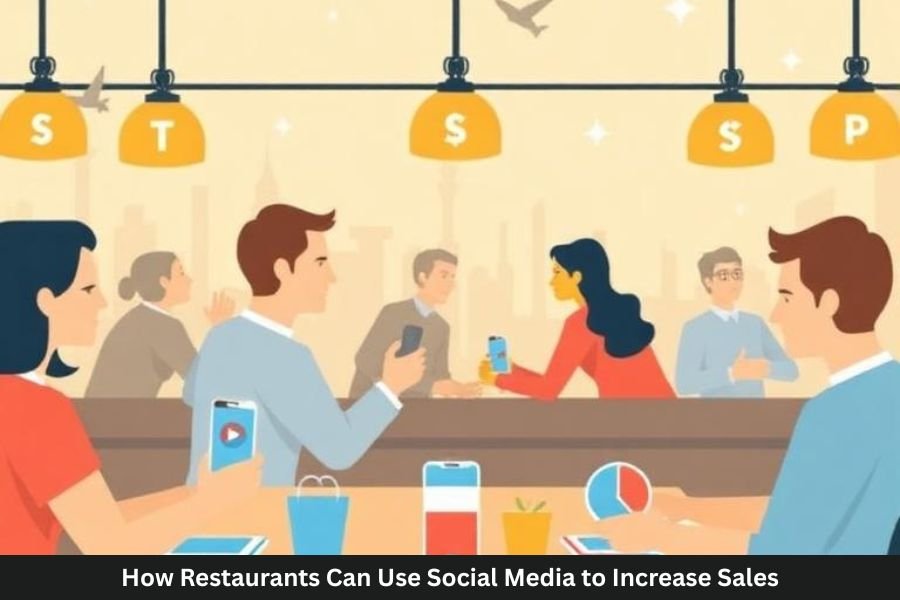
The restaurant industry has undergone a major transformation in the last decade. In the past, restaurants relied heavily on word-of-mouth marketing, flyers, newspaper ads, or location visibility to attract customers. Today, social media has become one of the most powerful tools restaurants can use to increase brand awareness, attract new diners, and ultimately boost sales.
Modern diners no longer choose restaurants solely based on location or recommendations from friends. Instead, they often discover dining options through social media platforms such as Instagram, TikTok, Facebook, and YouTube. These platforms allow restaurants to showcase their food, atmosphere, and brand personality in ways that traditional marketing never could. A visually appealing post of a signature dish or a short video of a chef preparing a meal can capture attention instantly and influence dining decisions.
Statistics highlight just how influential social media has become in the restaurant industry. Around 72% of people research restaurants on social media before deciding where to eat, and 74% of diners choose restaurants based on social media content. This means that if a restaurant lacks a strong social media presence, it risks missing out on a large portion of potential customers who are actively searching online for dining experiences.
Social media is also powerful because it combines storytelling with direct marketing. Restaurants can share their origin story, introduce their chefs, highlight customer experiences, and promote limited-time offers—all in one place. This ability to communicate directly with customers helps build emotional connections that often translate into repeat visits and long-term loyalty.
Why Social Media Influences Dining Decisions
Dining decisions are heavily influenced by visuals, emotions, and recommendations. Social media platforms provide all three elements in a single environment. When people scroll through their feeds and see mouth-watering images of food, engaging cooking videos, or happy customers enjoying meals, they often feel inspired to try the restaurant themselves.
Research shows that 40% of people visit a restaurant after seeing appealing food images on social media. This demonstrates the incredible power of visual marketing in the food industry. Unlike other products, food can create an immediate emotional response through images and videos.
Another key factor is trust. Social media allows potential customers to see real reviews, comments, and experiences from other diners. In fact, 88% of consumers trust online reviews as much as personal recommendations, making them a major influence on restaurant choices. When customers see positive feedback and engaging content, it reduces uncertainty and encourages them to visit.
The Shift From Traditional Advertising to Digital Platforms
Restaurants have increasingly shifted their marketing budgets toward digital channels because they provide measurable results and greater reach. Traditional marketing methods such as billboards and print ads often lack targeting capabilities. Social media, however, allows restaurants to reach specific audiences based on location, age, interests, and dining preferences.
This shift is reflected in industry trends. Around 82% of restaurants now use social media as a key part of their marketing strategy, highlighting its importance in modern restaurant promotion. Digital marketing also allows smaller restaurants to compete with larger brands by creating creative and engaging content without requiring huge advertising budgets.
Understanding Your Restaurant’s Target Audience
Successful social media marketing begins with understanding who your customers are. Restaurants that attempt to target everyone often struggle to create meaningful engagement. Instead, identifying a clear target audience helps shape the content, tone, and marketing strategies used on social platforms.
For example, a trendy café targeting young professionals might focus on aesthetically pleasing latte art, modern interiors, and quick lunch options. Meanwhile, a family-friendly restaurant might highlight large portions, kids’ meals, and weekend specials. By understanding customer preferences, restaurants can create content that resonates with their audience and motivates them to visit.
Demographic insights from social media platforms can provide valuable data about followers. Metrics such as age, location, and online behavior help restaurants refine their marketing strategy. This information allows businesses to design campaigns that appeal to the right audience rather than relying on guesswork.
Identifying Ideal Customers Online
Restaurants can identify their ideal customers by analyzing existing customers and online followers. Observing who interacts with posts, comments on photos, or shares content can reveal valuable insights about the audience. Social media analytics tools provide information about which posts perform best and which demographics engage the most.
Understanding customer motivations is equally important. Some diners prioritize affordability, while others value unique dining experiences or premium ingredients. Recognizing these motivations helps restaurants create tailored marketing messages that attract the right customers.
Using Data and Insights From Social Platforms
Social media platforms provide powerful analytics tools that help restaurants track performance and customer engagement. These insights include reach, impressions, click-through rates, and follower demographics. By analyzing this data, restaurants can identify which content types generate the most interest and adjust their strategies accordingly.
For example, if short cooking videos receive higher engagement than static images, the restaurant can focus more on video content. Similarly, if posts featuring staff members generate positive responses, incorporating more behind-the-scenes content may strengthen brand connection.
Choosing the Best Social Media Platforms for Restaurants
Not all social media platforms serve the same purpose. Restaurants must select platforms that align with their marketing goals and audience preferences. Some platforms excel at visual storytelling, while others focus on community interaction or local discovery.
Instagram and TikTok for Visual Food Marketing
Instagram and TikTok have become two of the most influential platforms for food discovery. Both platforms emphasize visually appealing content, making them ideal for showcasing dishes, cooking techniques, and restaurant ambience.
Studies reveal that 61% of diners say TikTok food content influences where they eat, highlighting the platform’s growing impact on dining decisions. Short-form videos, recipe demonstrations, and trending food challenges often go viral and attract new customers.
Facebook and Google Business for Local Reach
While newer platforms receive significant attention, Facebook and Google Business profiles remain essential for local marketing. These platforms help restaurants appear in local searches and provide key information such as menus, operating hours, and customer reviews.
Restaurants that regularly update their profiles with photos, promotions, and events are more likely to appear in local search results and attract nearby customers.
Creating High-Quality Content That Attracts Customers
Content is the heart of social media marketing. Restaurants that consistently post engaging and visually appealing content can build strong relationships with their audience and increase brand recognition.
Food Photography and Visual Storytelling
Food photography plays a crucial role in attracting diners online. High-quality images of dishes allow customers to visualize the dining experience before they visit. Bright lighting, creative plating, and appealing backgrounds can make food look irresistible.
Research indicates that 66% of consumers prefer to see photos of dishes before visiting a restaurant, highlighting the importance of visual content.
Short-Form Videos and Reels
Short-form video content has exploded in popularity across social media platforms. Restaurants can use videos to showcase cooking techniques, highlight chef personalities, and present menu items in creative ways.
Restaurants using short-form video strategies often experience two to three times faster audience growth compared to those relying only on static posts.
Behind-the-Scenes and Kitchen Content
Behind-the-scenes videos offer customers a glimpse into the preparation process and restaurant culture. Showing chefs at work, ingredient sourcing, or team celebrations adds authenticity and humanizes the brand.
Influencer and User-Generated Content Strategies
Influencer marketing has become a powerful tool for restaurant promotion. Food bloggers, local influencers, and social media creators often have loyal followers who trust their recommendations.
Partnering With Food Influencers
Influencer marketing in the food industry has grown rapidly in recent years. Collaborating with influencers allows restaurants to reach highly engaged audiences and generate authentic content.
Statistics show that food influencer marketing has grown by over 42%, reflecting its effectiveness in attracting new diners.
Encouraging Customer Reviews and Photos
User-generated content is another powerful strategy for restaurant marketing. When customers share photos, tag locations, or leave positive reviews, they create organic promotion that reaches new audiences.
Restaurants can encourage this behavior by creating visually appealing dining spaces, offering branded hashtags, or hosting social media contests.
Social Media Advertising for Restaurants
Organic content builds engagement, but paid advertising can significantly expand reach and accelerate growth.
Running Targeted Paid Campaigns
Social media advertising allows restaurants to target specific audiences based on demographics, interests, and location. This precision ensures that marketing efforts reach people who are most likely to visit the restaurant.
Promoting Special Offers and Events
Restaurants can also use social media ads to promote limited-time offers, seasonal menus, and special events. Promotions such as discounts, loyalty rewards, or holiday specials often attract new customers and encourage repeat visits.
Turning Followers Into Paying Customers
Growing a social media following is valuable, but the ultimate goal is converting followers into real customers.
Online Ordering and Reservation Integration
Integrating ordering links and reservation systems directly into social media profiles simplifies the customer journey. When diners can reserve a table or place an order instantly after seeing a post, the likelihood of conversion increases significantly.
Loyalty Programs and Exclusive Deals
Offering exclusive deals to followers is another effective strategy. Social media promotions such as “Instagram-only discounts” or “followers-only menu previews” create a sense of exclusivity and encourage engagement.
Measuring Social Media Success
Tracking performance is essential for improving marketing strategies. Restaurants should monitor key metrics such as engagement rates, follower growth, website traffic, and conversion rates.
Analytics tools allow businesses to identify which campaigns drive the most reservations or online orders. By analyzing this data, restaurants can refine their content strategy and focus on the marketing techniques that deliver the best results.
Conclusion
Social media has become an essential marketing tool for restaurants aiming to increase sales and attract new customers. Platforms like Instagram, TikTok, and Facebook allow restaurants to showcase their food, connect with customers, and promote their brand in creative ways.
From high-quality food photography to influencer collaborations and targeted advertising campaigns, social media offers countless opportunities for restaurants to grow their business. Restaurants that consistently engage with their audience, create visually appealing content, and leverage data-driven marketing strategies are far more likely to succeed in today’s competitive dining industry.
A well-planned social media strategy does more than promote a menu—it creates an experience that draws customers through the door and keeps them coming back for more.
FAQs
1. Why is social media important for restaurants?
Social media helps restaurants increase brand visibility, attract new customers, and engage with diners through visual content and promotions.
2. Which social media platform is best for restaurant marketing?
Instagram, TikTok, and Facebook are among the most effective platforms because they support visual storytelling and local discovery.
3. How often should restaurants post on social media?
Posting three to five times per week is generally recommended to maintain engagement and stay visible to followers.
4. Can small restaurants benefit from social media marketing?
Yes, social media marketing is cost-effective and allows small restaurants to reach large audiences without requiring large advertising budgets.
5. What type of content works best for restaurant social media?
High-quality food photos, short cooking videos, customer testimonials, behind-the-scenes content, and promotional offers tend to generate the highest engagement.