Let’s be honest. Some days, getting dressed feels like a chore. Other days? It feels like therapy.
Self-care isn’t just bubble baths and scented candles. It’s anything that nurtures your well-being — mentally, emotionally, even physically. And yes, what you wear plays a bigger role than you think.
Clothing isn’t just fabric. It’s energy. It’s intention. It’s the way you tell the world, “This is who I am today.”
What Is Self-Care in Modern Life?
In today’s fast-paced world, self-care means protecting your peace. It’s setting boundaries. It’s eating well. It’s moving your body. And sometimes, it’s choosing an outfit that makes you feel unstoppable.
Simple? Yes. Powerful? Absolutely.
The Psychological Power of Clothing
Ever noticed how you stand taller in a blazer? Or feel relaxed in your favorite sweater?
That’s not random. That’s psychology at work.
The Science Behind Dressing Up
Understanding Enclothed Cognition
Psychologists call it enclothed cognition — the idea that what you wear influences how you think and feel. Research from Northwestern University highlighted how wearing certain clothing can enhance focus and performance.
Think about that for a second. Your outfit can literally shape your mindset.
Wear gym clothes? You might feel motivated. Wear pajamas all day? Your brain may stay in rest mode.
How Colors Influence Mood
Colors talk — even when you don’t.
Blue calms. Red energizes. Yellow sparks optimism. Black can feel powerful or protective.
It’s like painting your emotional landscape every morning. You choose the vibe.
Texture, Comfort, and Emotional Regulation
Soft fabrics can reduce stress. Tight, restrictive clothing can elevate discomfort. Your nervous system notices these things — even if you don’t consciously think about them.
Comfort isn’t laziness. It’s regulation.
Dressing Up and Confidence
The Confidence-Competence Loop
Here’s how it works:
You dress well → You feel confident → You perform better → You feel even more confident.
It’s a feedback loop. And it starts in your closet.
You’ve probably felt it before. That “main character” energy when your outfit just clicks.
First Impressions and Self-Perception
We often focus on how others see us. But what about how we see ourselves?
Looking in the mirror and thinking, “I look good today,” can shift your entire mood. It’s like giving yourself a silent pep talk.
Fashion as Emotional Armor
Dressing for Tough Days
On days when anxiety creeps in, structured outfits can feel grounding. A tailored jacket. Polished shoes. Something that says, “I’ve got this,” even if you’re not fully convinced yet.
Clothing can act like armor — not to hide you, but to support you.
Clothing as a Coping Mechanism
Ever worn a “lucky” outfit? Or kept a hoodie because it reminds you of comfort?
That’s emotional attachment — and it’s normal. Clothes carry memory. They hold stories.
The Role of Routine in Mental Stability
Morning Rituals and Productivity
Getting dressed signals your brain: it’s time to engage.
During global lockdowns, many people struggled with motivation partly because routines disappeared. Changing from sleepwear to daywear creates psychological separation between rest and action.
Breaking the Pajama Cycle
Staying in pajamas might feel cozy — until it doesn’t.
Dressing up, even casually, tells your brain you’re participating in life. You’re showing up.
Social Media, Identity, and Expression
Curating Identity Through Style
Platforms like Instagram and TikTok have transformed fashion into self-expression theater.
Outfits become storytelling tools. Aesthetic choices become personal branding.
That can feel empowering — or exhausting.
The Pressure of Perfection
Scrolling through curated feeds can distort reality. Perfect bodies. Perfect outfits. Perfect lighting.
Comparison is the thief of joy, right?
Fashion should feel expressive, not oppressive.
Cultural and Personal Identity in Fashion
Expressing Heritage Through Clothing
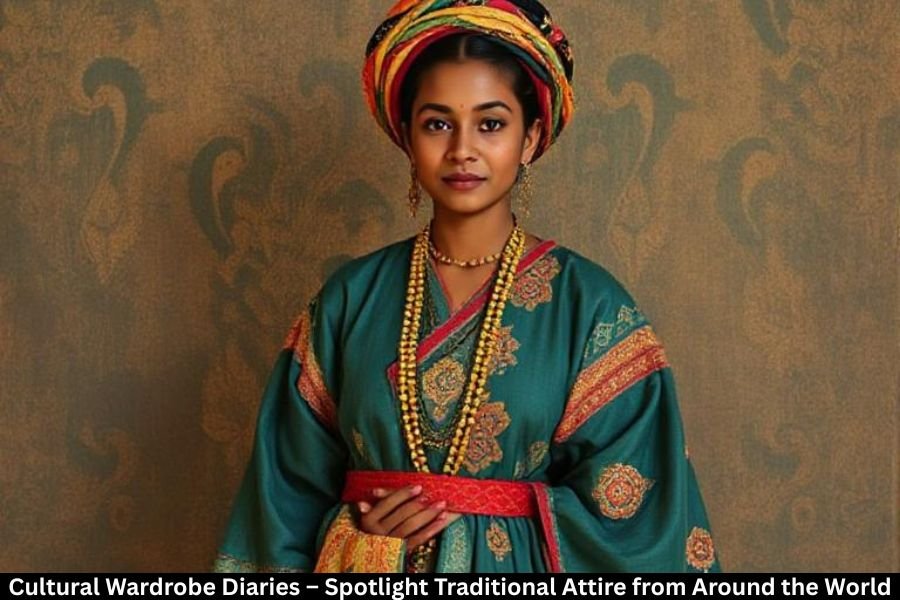
Wearing traditional attire or cultural elements can strengthen identity. It’s grounding. It says, “I know where I come from.”
Representation matters — especially for marginalized communities.
Gender Expression and Mental Health
Clothing allows exploration. For many in the LGBTQ+ community, fashion is freedom.
The ability to dress in alignment with your gender identity can significantly improve mental well-being.
Clothes can validate existence. That’s powerful.
Sustainable Fashion and Mindful Living
Conscious Consumption and Inner Peace
Fast fashion often leads to clutter — both physical and mental.
Choosing quality over quantity simplifies life. It reduces decision fatigue. It aligns purchases with values.
Less chaos. More clarity.
Decluttering for Mental Clarity
Ever cleaned out your closet and felt lighter?
There’s science behind that. Organized spaces reduce stress and improve focus.
Your wardrobe should support you, not overwhelm you.
When Fashion Becomes Harmful
Body Image Issues
Let’s address the elephant in the room.
Fashion can trigger insecurity — especially in industries that glorify unrealistic standards. Exposure to idealized imagery, including shows like America’s Next Top Model, has shaped perceptions of beauty for years.
Clothing should adapt to your body — not the other way around.
Retail Therapy vs. Emotional Spending
Shopping can release dopamine. That quick high feels good.
But using purchases to numb emotions? That can spiral into financial stress — which hurts mental health.
Intentional buying beats impulse spending.
Practical Ways to Use Fashion as Self-Care
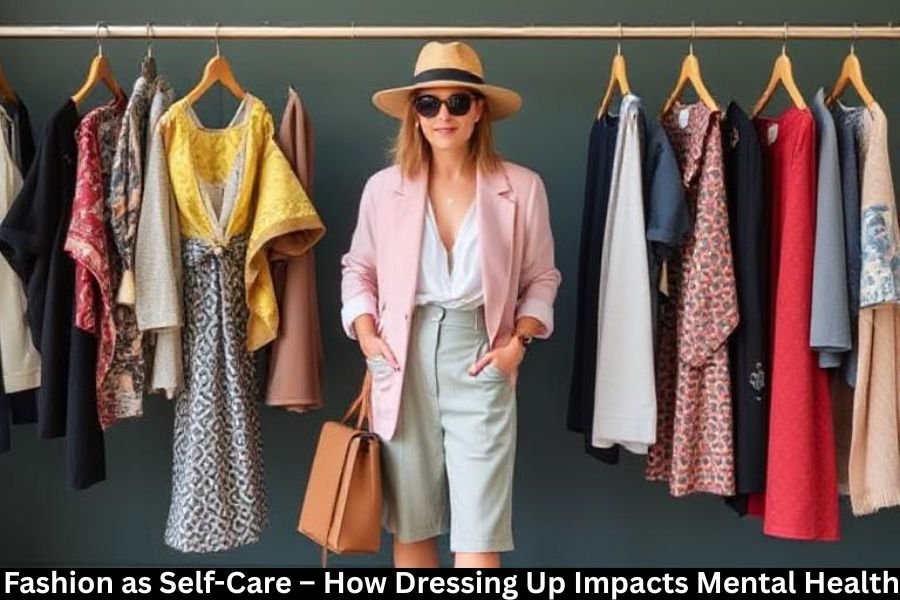
Building a Mood-Boosting Wardrobe
Start simple:
- Keep clothes that make you feel confident.
- Choose colors that energize you.
- Invest in versatile staples.
If it doesn’t make you feel good, why keep it?
Dressing for Your Future Self
Who do you want to become?
Dress like her. Like him. Like them.
Clothing can act as a bridge between who you are and who you’re growing into.
Small Daily Upgrades That Make a Big Difference
Add accessories. Style your hair. Iron your shirt. Tiny upgrades shift energy.
Self-care doesn’t have to be dramatic. Sometimes it’s just intentional.
Conclusion
Fashion is more than aesthetics. It’s psychology. It’s identity. It’s self-respect stitched into seams.
Dressing up won’t solve every mental health struggle. But it can be a powerful tool — a small, daily act of agency in a chaotic world.
Your closet isn’t shallow. It’s strategic.
So tomorrow morning, when you pick your outfit, ask yourself:
How do I want to feel today?
And dress accordingly.
FAQs
1. Can clothing really improve mental health?
Yes. Research on enclothed cognition suggests clothing can influence mood, confidence, and performance.
2. Is dressing up necessary when working from home?
It can help create structure and improve productivity by signaling your brain that it’s time to work.
3. How can I avoid fashion-related anxiety?
Focus on personal comfort and authenticity rather than trends or social comparison.
4. What colors are best for boosting mood?
Bright colors like yellow and orange often uplift, while blue can create calmness. It depends on personal preference.
5. Is retail therapy always bad?
Not necessarily. Occasional mindful shopping is fine, but using it to avoid emotions can create long-term stress.