When you hear “Artificial Intelligence,” what comes to mind?
Robots taking over the world? Sci-fi movies? Supercomputers in secret labs?
Here’s the twist: AI isn’t living in the future. It’s already living with you.
It’s in your pocket. In your car. In your Netflix account. Even in your email inbox.
Artificial Intelligence (AI) quietly powers many tools you use every single day. And the crazy part? Most of us don’t even notice it.
Let’s break it down in simple terms and explore real, daily life examples of AI that are shaping how we live, work, and connect.
What Is Artificial Intelligence?
Simple Definition of AI
Artificial Intelligence is when machines are programmed to think, learn, and make decisions like humans.
Instead of just following fixed instructions, AI systems analyze data, identify patterns, and improve over time.
Think of AI as a digital brain that gets smarter the more it experiences.
Types of AI
Narrow AI
This is the AI we use today. It’s designed for specific tasks—like recommending songs or recognizing faces.
General AI (Conceptual)
This would be AI capable of understanding and performing any intellectual task a human can do. It’s still theoretical—for now.
AI in Smartphones
Your smartphone is basically an AI hub in disguise.
Voice Assistants
When you ask Siri for the weather or talk to Google Assistant, AI processes your speech, understands intent, and delivers answers.
It’s not magic. It’s machine learning and natural language processing at work.
Facial Recognition
Unlocking your phone with your face? That’s AI analyzing thousands of facial data points in seconds.
It recognizes you faster than you recognize yourself in the morning mirror.
Predictive Text and Autocorrect
Ever notice how your phone finishes your sentences?
AI studies your typing patterns and predicts what you’ll say next.
Sometimes it’s accurate. Sometimes… not so much.
AI in Social Media
Scroll through your feed. Everything you see is carefully curated.
Content Recommendations
Platforms like Facebook and Instagram use AI algorithms to show posts based on your behavior.
Liked a cooking video? Expect more recipes.
Targeted Advertising
Ever searched for shoes and then seen ads everywhere?
AI tracks browsing patterns and predicts what you might buy.
It’s like a digital salesperson following you around.
Content Moderation
AI also detects spam, hate speech, and inappropriate content faster than human moderators.
AI in Online Shopping
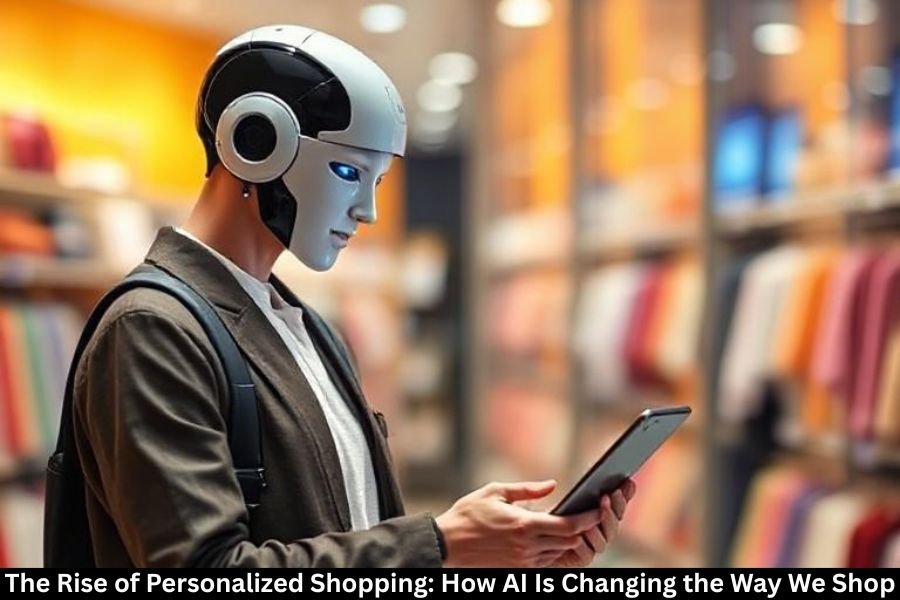
Online stores feel like they “know” you. That’s AI again.
Product Recommendations
On Amazon, suggested products are generated by AI analyzing purchase history and browsing behavior.
It’s why you often buy more than you planned.
Chatbots and Customer Support
Ever chatted with customer service and realized it wasn’t a human?
AI chatbots handle millions of queries instantly.
Dynamic Pricing
Airline tickets changing prices? Hotels fluctuating rates?
AI adjusts pricing based on demand, competition, and user behavior.
AI in Streaming Services
Personalized Movie and Music Suggestions
When Netflix recommends a show you end up loving, that’s AI studying your watch history.
Similarly, Spotify curates playlists tailored to your taste.
It’s like having a personal DJ and movie critic combined.
AI in Transportation
Navigation Apps
Apps like Google Maps analyze traffic data in real-time to suggest the fastest route.
It predicts congestion before you even hit it.
Ride-Sharing Platforms
Companies like Uber use AI to match drivers with passengers and calculate fares.
Self-Driving Technology
Autonomous vehicle systems rely heavily on AI to interpret surroundings and make driving decisions.
AI in Healthcare
Medical Diagnosis Assistance
AI helps doctors analyze scans and detect diseases earlier.
It doesn’t replace doctors—it supports them.
Wearable Health Devices
Smartwatches track heart rate, sleep patterns, and activity levels using AI algorithms.
Your wrist is now a mini health lab.
Virtual Health Assistants
AI chat systems provide preliminary health guidance and reminders for medications.
AI in Banking and Finance
Fraud Detection
Banks use AI to detect unusual transactions instantly.
If something looks suspicious, AI flags it within seconds.
Credit Scoring
AI evaluates financial behavior to determine creditworthiness.
Robo-Advisors
Automated investment platforms use AI to suggest portfolios based on your goals.
AI in Smart Homes
Smart Speakers
Devices powered by Amazon Alexa control lights, music, and more.
Your house listens—and responds.
Smart Thermostats
AI learns your schedule and adjusts temperature automatically.
Home Security Systems
AI-powered cameras detect unusual movement and send alerts.
AI in Education
Personalized Learning Platforms
AI adapts lessons based on student performance.
It’s like having a tutor who never gets tired.
Automated Grading Systems
AI speeds up grading and provides instant feedback.
AI in the Workplace
Recruitment Tools
AI scans resumes and identifies strong candidates.
Workflow Automation
Repetitive tasks like data entry are handled by AI systems, freeing humans for creative work.
Benefits of AI in Daily Life
- Saves time
- Increases efficiency
- Improves accuracy
- Enhances personalization
- Supports decision-making
AI acts like an invisible assistant working 24/7.
Concerns and Ethical Considerations
But it’s not all sunshine.
Privacy concerns, job displacement, and algorithm bias are real issues.
AI is powerful—but power requires responsibility.
The Future of AI in Everyday Life
AI will likely become even more integrated into daily routines.
Smarter cities. Better healthcare. More personalized experiences.
The question isn’t whether AI will grow.
It’s how we choose to shape it.
Conclusion
Artificial Intelligence isn’t some distant, futuristic concept.
It’s already woven into your daily life—from the moment your alarm rings to the show you binge at night.
It’s the quiet engine behind convenience.
And while it raises important questions, one thing is clear: AI is here to stay.
The real challenge? Learning to use it wisely.
FAQs
1. Is AI only used in big tech companies?
No. AI is used across industries including healthcare, banking, retail, and education.
2. Can AI think like humans?
Current AI can simulate certain thinking processes but doesn’t possess consciousness or emotions.
3. Is AI dangerous?
AI itself isn’t dangerous, but misuse or lack of regulation can create risks.
4. Will AI replace jobs?
AI may automate some tasks but also creates new job opportunities.
5. How can I learn more about AI?
Start with basic online courses, tech blogs, and experimenting with AI-powered tools.