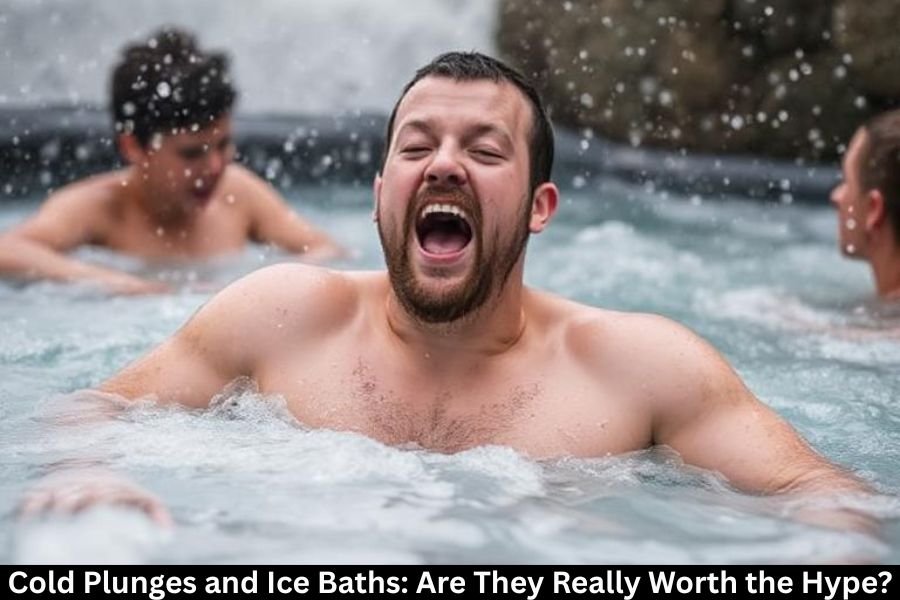
Let’s be honest — cold water doesn’t exactly scream “relaxation.” Yet here we are, watching athletes, influencers, and productivity gurus willingly dunk themselves into tubs of icy misery. Why? Supposedly for better recovery, sharper focus, improved mood, stronger immunity… maybe even enlightenment.
But are cold plunges and ice baths truly miracle tools, or is this just another wellness trend riding a wave of hype?
If you’ve ever hovered nervously over a freezing tub wondering, “Is this torture actually good for me?” — you’re in the right place.
Let’s break it down.
Why Everyone’s Talking About Cold Therapy
Cold exposure has exploded into mainstream culture. Scroll through social media and you’ll find people emerging from ice baths looking both triumphant and traumatized.
It’s become a badge of honor. A symbol of discipline. A ritual of resilience.
But this trend didn’t appear out of thin air.
From Ancient Rituals to Instagram Trends
Cold water therapy isn’t new. Romans had frigidariums. Nordic cultures embraced icy swims. Japanese samurai practiced cold-water purification.
What’s different today?
We’ve wrapped it in modern buzzwords: biohacking, dopamine reset, anti-inflammatory protocol.
Old practice, new marketing.
What Exactly Are Cold Plunges and Ice Baths?
Before we dive deeper (pun intended), let’s clarify terms.
Cold Plunge Defined
A cold plunge typically involves immersing your body in cold water — usually between 10–15°C (50–59°F) — for a short period.
No mountain of ice cubes required.
Ice Bath Explained
An ice bath pushes things further. Temperatures often drop below 10°C (50°F) using added ice.
Colder. More intense. Less forgiving.
Is There Any Real Difference?
Physiologically? Not huge.
Practically? Yes.
Cold plunges are easier to maintain. Ice baths deliver stronger shock but demand more preparation (and courage).
The Science Behind Cold Exposure
So what actually happens when you step into freezing water?
Spoiler: your body panics first, adapts second.
How the Body Reacts to Cold
Cold exposure triggers a cascade of survival mechanisms.
Vasoconstriction and Blood Flow
Blood vessels narrow to preserve core temperature. Less blood to extremities, more protection for vital organs.
It’s like your body saying:
“Hands and feet, sorry… brain comes first.”
Nervous System Activation
Cold water stimulates the sympathetic nervous system — your “fight or flight” mode.
Heart rate spikes. Breathing quickens. Alertness skyrockets.
Instant wake-up call.
Hormonal Responses
Cold exposure influences stress hormones and neurotransmitters like norepinephrine and dopamine.
Translation?
You may feel strangely energized afterward.
Claimed Benefits of Cold Plunges
Now for the million-rupee question: what’s the payoff?
Muscle Recovery
This is the most widely supported benefit.
Cold water may help reduce muscle soreness after intense exercise by limiting tissue breakdown and slowing inflammatory processes.
Athletes swear by it.
Reduced Inflammation
Cold constricts blood vessels, potentially decreasing swelling and inflammation.
But — and this is important — inflammation isn’t always the enemy. It’s part of the healing process.
Blunting it too aggressively might slow long-term adaptation.
Mental Health Boost
Many users report:
- Improved mood
- Reduced stress
- Greater mental clarity
Cold exposure can act like a nervous system reset — shocking you out of mental fog.
Improved Circulation
When you exit cold water, blood vessels dilate. This “vascular workout” may support circulation over time.
Think of it as interval training for your blood vessels.
Fat Loss Claims
Cold exposure activates brown fat, which burns energy to generate heat.
Sounds promising, right?
Reality check: the calorie burn is modest unless exposure is frequent and prolonged.
Ice baths won’t replace diet and exercise.
What Does Research Actually Say?
Time to separate facts from fantasy.
Evidence Supporting Recovery
Research generally supports cold water immersion for:
✔ Reduced delayed onset muscle soreness (DOMS)
✔ Faster short-term recovery
Especially useful for high-intensity training phases.
Mixed Results on Inflammation
Some studies show reduced inflammation markers. Others suggest cold exposure may interfere with muscle growth if used immediately after strength training.
Context matters.
Mental Health Findings
Cold exposure may:
✔ Increase alertness
✔ Improve mood
✔ Reduce perceived stress
But large-scale clinical evidence is still developing.
Where Science is Still Uncertain
Claims like:
✖ Major fat loss
✖ Boosted immunity
✖ Longevity effects
…are intriguing but not conclusively proven.
Potential Risks and Downsides
Cold therapy isn’t harmless fun.
Shock Response
Sudden immersion can cause:
- Gasp reflex
- Rapid breathing
- Heart rate spike
Without control, this can feel overwhelming — even dangerous.
Cardiovascular Stress
Cold exposure strains the heart. Individuals with heart conditions must be cautious.
This is stress, not spa therapy.
Overuse Concerns
Daily ice baths may:
- Reduce strength gains
- Delay adaptation
More isn’t always better.
Not Suitable for Everyone
People with certain medical conditions should avoid unsupervised cold therapy.
Cold Plunges vs Ice Baths
Which one wins?
Temperature Differences
- Cold plunge: Challenging but tolerable
- Ice bath: Brutally cold
Practicality
Cold plunges are easier to maintain. Ice baths require constant ice supply.
Unless you own an ice factory, guess which is more convenient?
Cost and Accessibility
Ice baths can get expensive over time. Cold showers offer a budget alternative.
Which is Better?
For most people?
A cold plunge (or cold shower) delivers benefits without excessive discomfort.
How to Do Cold Therapy Safely
Thinking of trying it? Read this first.
Ideal Temperature Range
Beginners: 12–15°C
Experienced users: 8–12°C
No need to chase extreme cold.
Duration Guidelines
- Beginners: 30–60 seconds
- Intermediate: 2–3 minutes
- Advanced: Up to 5 minutes
Longer ≠ better.
Breathing Techniques
Slow, controlled breathing helps override panic response.
Inhale through nose. Long exhale. Stay calm.
Post-Plunge Recovery
Warm up gradually:
✔ Dry off
✔ Light movement
✔ Warm clothing
Avoid jumping into a hot shower immediately.
Who Should Avoid Cold Therapy?
Cold exposure isn’t universal medicine.
Medical Conditions
Avoid or consult a doctor if you have:
- Heart disease
- Uncontrolled high blood pressure
- Raynaud’s syndrome
- Respiratory conditions
Special Populations
Extra caution for:
- Elderly individuals
- Pregnant women
- Those new to intense physical stress
Are the Benefits Overhyped?
Short answer? Sometimes.
The Role of Placebo
Expectations influence experience. If you believe cold plunges are magical, you may feel dramatic benefits.
Mindset is powerful.
Social Media Amplification
Extreme routines make great content. “I took a mildly cool shower” doesn’t go viral.
Individual Variability
Some people love it. Others hate it. Both reactions are valid.
Your biology isn’t obligated to follow trends.
Alternatives to c
Not into freezing torture? Good news.
Active Recovery
Light movement boosts circulation without shock.
Compression Therapy
Supports blood flow and reduces swelling.
Contrast Showers
Alternate warm and cool water for gentler effects.
Sleep and Nutrition
Unsexy but unbeatable.
No recovery hack beats quality sleep and proper fueling.
Conclusion
So… are cold plunges and ice baths worth the hype?
They can be — if used correctly and for the right reasons.
✔ Helpful for muscle recovery
✔ Potential mood and alertness boost
✔ Not a miracle cure
Cold therapy is a tool, not a magic wand.
If you enjoy it and feel better afterward, great.
If you dread every second, you’re not missing out on a secret superpower.
Wellness should challenge you — not punish you.
FAQs
1. How cold should an ice bath be?
Typically between 8–12°C (46–54°F). Beginners should start warmer and gradually adapt.
2. How long should I stay in a cold plunge?
Most benefits occur within 2–5 minutes. Beginners can start with under 1 minute.
3. Do cold plunges burn fat?
They may activate brown fat, but calorie burn is modest. Not a primary fat-loss strategy.
4. Can cold therapy improve mental health?
Many people report mood and alertness benefits, though clinical evidence is still evolving.
5. Is daily cold exposure safe?
For healthy individuals, moderate exposure can be safe. Excessive or extreme cold may cause stress or hinder training adaptation.