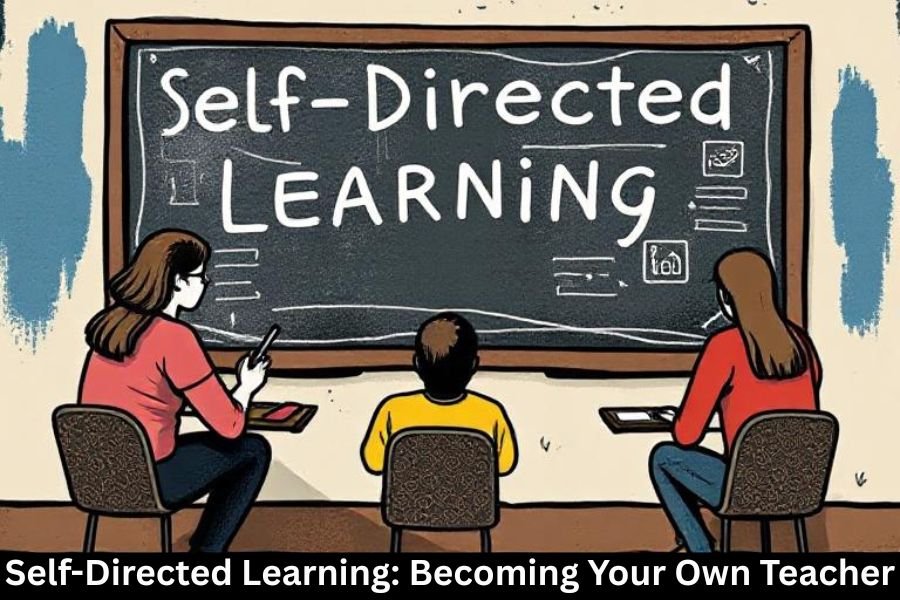
Let’s face it. School teaches you a lot—but it doesn’t teach you everything.
The real world moves faster than any curriculum. New technologies emerge. Industries shift. Skills become outdated. And if you wait for someone else to hand you knowledge, you might fall behind.
That’s where self-directed learning steps in.
What Is Self-Directed Learning?
Self-directed learning means taking responsibility for your own education. You decide what to learn, how to learn it, and when to learn it.
No classroom bell. No fixed syllabus. No teacher standing at the front.
You become both the student and the instructor.
Why Traditional Education Isn’t Always Enough
Traditional systems are structured—and that’s not necessarily bad. But they’re standardized. Everyone follows the same path.
Life isn’t standardized.
Your goals are unique. Your pace is different. Your interests evolve.
Self-directed learning fills the gaps.
The Psychology Behind Independent Learning
Intrinsic vs. Extrinsic Motivation
There’s a big difference between learning for grades and learning for growth.
Extrinsic motivation is about rewards—certificates, promotions, praise.
Intrinsic motivation? That’s curiosity. Passion. Personal ambition.
Self-directed learners rely heavily on intrinsic motivation.
They don’t ask, “Will this be on the test?”
They ask, “How can this improve my life?”
Growth Mindset and Lifelong Curiosity
Psychologist Carol Dweck introduced the concept of the growth mindset—the belief that abilities can be developed through effort.
Self-directed learning thrives on this mindset.
Mistakes aren’t failures. They’re feedback.
The Role of Discipline in Freedom
Freedom sounds exciting. But without discipline, freedom turns chaotic.
Ironically, structure creates flexibility.
When you manage your time intentionally, you unlock more opportunity.
Benefits of Becoming Your Own Teacher
Personalized Learning Paths
You can dive deep into coding, photography, psychology, or finance—whatever excites you.
No waiting for approval. No permission slips.
Your curiosity becomes your compass.
Learning at Your Own Pace
Struggling with a concept? Slow down.
Mastered something quickly? Move ahead.
Self-directed learning removes comparison pressure.
Building Real-World Skills
Often, practical skills—like negotiation, digital marketing, or emotional intelligence—aren’t fully covered in traditional systems.
Self-education bridges that gap.
Skills You Need for Self-Directed Learning
Time Management
Without deadlines, procrastination creeps in.
Creating a schedule—even a simple one—keeps momentum alive.
Critical Thinking
The internet is full of information. Not all of it is accurate.
You must evaluate sources, question claims, and verify facts.
Research and Information Literacy
Knowing how to search effectively is a superpower.
Understanding credible platforms versus unreliable ones saves time and protects your learning quality.
Tools and Platforms for Self-Learning
We live in an era where knowledge is literally at our fingertips.
Online Courses and Universities
Universities now offer digital programs and certifications accessible globally.
Open Learning Platforms like Coursera
Coursera provides courses from leading institutions worldwide.
From business analytics to philosophy, the options are endless.
Video-Based Learning on YouTube
YouTube has become one of the largest informal learning hubs.
Tutorials, lectures, step-by-step guides—you name it.
Podcasts and Digital Libraries
Audio learning fits into commutes and workouts.
E-books and digital libraries make global knowledge accessible instantly.
Creating a Self-Directed Learning Plan
Setting Clear Goals
Start with one question:
What do I want to achieve?
Be specific. “Learn Spanish” becomes “Hold a 10-minute conversation in Spanish within six months.”
Clarity drives commitment.
Designing a Study Routine
Consistency beats intensity.
Even 30 focused minutes daily compound over time.
Measuring Progress
Track milestones. Celebrate small wins.
Progress tracking prevents burnout and boosts motivation.
Overcoming Challenges in Self-Directed Learning
Procrastination
Without supervision, distractions multiply.
Break tasks into small chunks. Use timers. Remove digital temptations.
Information Overload
Too many courses. Too many books. Too many opinions.
Choose one resource at a time. Depth over breadth.
Staying Consistent Without External Pressure
Accountability partners help.
So does public commitment—sharing goals with friends or online communities.
Self-Directed Learning in the Digital Age
The Role of AI and Smart Tools
AI-powered tools personalize learning paths and provide instant feedback.
Adaptive quizzes adjust difficulty based on performance.
Learning becomes interactive and dynamic.
Microlearning and Bite-Sized Education
Short lessons fit modern lifestyles.
Ten minutes a day adds up to over 60 hours a year.
Small steps. Big transformation.
Real-Life Examples of Self-Taught Success
Entrepreneurs and Innovators
Many entrepreneurs learned coding, marketing, or finance independently.
Self-education often sparks innovation because it’s curiosity-driven.
Creative Professionals
Writers, designers, photographers—many built careers through tutorials and practice rather than formal degrees.
Skill development doesn’t always require a classroom.
Balancing Structure and Flexibility
When to Seek Mentors
You don’t have to do it alone.
Mentors provide guidance, feedback, and perspective.
Blending Formal and Informal Learning
Self-directed learning doesn’t replace formal education—it complements it.
Certifications build credibility. Independent study builds adaptability.
Together, they’re powerful.
Conclusion
Self-directed learning isn’t just a method—it’s a mindset.
It’s the decision to stop waiting for instruction and start pursuing growth.
You don’t need permission to evolve. You need curiosity, discipline, and a willingness to start.
Becoming your own teacher means owning your future.
And in a world that changes daily, that might be the most valuable skill of all.
FAQs
1. Is self-directed learning effective?
Yes. When structured properly, it allows personalized growth and practical skill development.
2. How do I stay motivated without grades?
Focus on intrinsic goals—career growth, personal development, or passion projects.
3. Can self-directed learning replace college?
It can supplement or, in some cases, replace formal education depending on your career path.
4. How many hours should I dedicate weekly?
Consistency matters more than volume. Even 3–5 focused hours weekly can create progress.
5. What’s the biggest mistake beginners make?
Trying to learn too many things at once. Start small and stay focused.