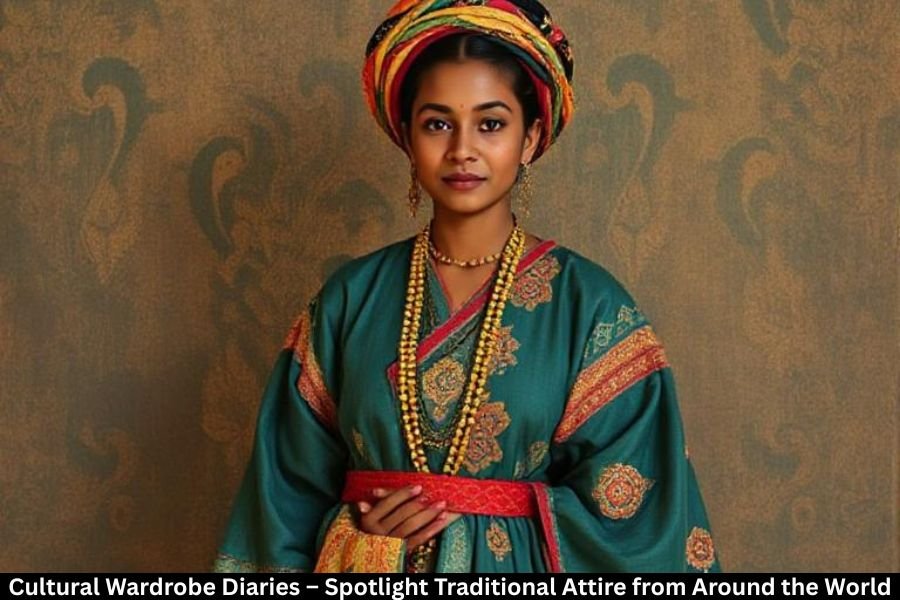
Clothing isn’t just fabric stitched together. It’s memory. It’s pride. It’s history woven into thread.
Think about it. When you see someone dressed in traditional attire, you’re not just seeing style — you’re seeing centuries of heritage. Every fold, color, and embroidery pattern whispers a story.
Why Traditional Clothing Still Matters
In a world of fast fashion and global trends, traditional attire acts like an anchor. It keeps communities rooted. It tells younger generations, “This is who we are.”
Traditional clothing survives weddings, festivals, and ceremonies because it carries emotional weight. It’s not disposable. It’s sacred.
Fashion as Identity and Storytelling
Clothing can signal marital status, social class, region, religion, or even occupation. It’s like a passport — but made of silk, cotton, wool, or beads.
Ready to travel the world through wardrobes? Let’s begin.
Asia’s Timeless Elegance
Asia’s traditional attire often blends symbolism, structure, and grace.
The Grace of the Kimono in Japan
The Kimono is elegance personified. With its T-shaped silhouette and wide sleeves, it flows like poetry in motion.
Colors and patterns change with the seasons. Cherry blossoms in spring. Maple leaves in autumn. Even the way it’s tied communicates meaning. Isn’t it fascinating how a belt — called an obi — can carry so much cultural weight?
Today, modern designers in Japan blend kimono elements into streetwear, proving tradition evolves — it doesn’t vanish.
The Vibrancy of the Sari in India
The Sari is a six-to-nine-yard masterpiece. No stitches. Just drape and grace.
In India, each region has its own weaving style — silk from Varanasi, cotton from Bengal, vibrant prints from Gujarat.
It’s versatile. It’s powerful. It’s worn by grandmothers and fashion influencers alike. Talk about timeless.
The Structure of the Hanbok in Korea
The Hanbok is all about balance. High waist. Flowing skirt. Short jacket.
In South Korea, bright colors symbolize joy and prosperity. Historically, color combinations indicated social status.
Modern Adaptations of Asian Attire
Today, you’ll see kimono-inspired jackets, sari gowns on red carpets, and hanbok silhouettes in K-pop videos. Tradition meets trend — and they get along surprisingly well.
Europe’s Heritage in Fabric
Europe’s garments reflect climate, class systems, and centuries of tradition.
The Scottish Kilt and Clan Pride
The Kilt isn’t just a skirt. It’s identity.
Each tartan pattern represents a clan in Scotland. Wear the wrong one, and you might spark debate!
Originally practical for the rugged Highlands, today it’s worn at weddings and ceremonies — bagpipes optional.
The Spanish Flamenco Dress
The Flamenco Dress is drama in motion. Ruffles. Bold colors. Movement.
In southern Spain, it embodies passion and performance. When the dancer spins, the fabric tells its own story.
Eastern Europe’s Embroidered Traditions
Across countries like Ukraine and Romania, embroidered blouses carry symbolic motifs — protection symbols, fertility signs, and local folklore stitched into cloth.
Africa’s Bold Expressions
African traditional clothing is fearless. Bright. Regal.
Nigeria’s Regal Agbada
The Agbada flows wide and proud in Nigeria.
It symbolizes wealth and respect. The embroidery across the chest often showcases intricate craftsmanship passed down through generations.
Ghana’s Colorful Kente
The Kente isn’t just fabric — it’s philosophy.
Each color in Ghana carries meaning. Gold for royalty. Blue for harmony. Green for growth.
Wearing Kente is like wrapping yourself in proverbs.
Maasai Beadwork and Identity
In Kenya and Tanzania, Maasai beadwork tells stories of age and marital status. Jewelry becomes language.
The Americas and Cultural Fusion
The Americas blend Indigenous roots with colonial and immigrant influences.
Mexico’s Huipil
The Huipil, worn in Mexico, features geometric embroidery unique to each community.
It’s handmade, often on backstrap looms, preserving ancient Mesoamerican techniques.
Native American Regalia
In powwows across the United States and Canada, regalia is deeply spiritual. Feathers, beadwork, and fringe aren’t costumes — they’re sacred.
The Gaucho Style of Argentina
In Argentina, gauchos wear bombachas (loose trousers), boots, and wide-brimmed hats — practical attire for life on the plains.
The Middle East’s Elegant Layers
Modesty meets elegance.
The Flowing Abaya
The Abaya, common in Saudi Arabia and the United Arab Emirates, is traditionally black but now appears in modern designs with embroidery and color accents.
The Palestinian Thobe
The Thobe features intricate cross-stitch patterns representing specific villages.
Symbolism in Patterns and Colors
Red might symbolize love. Black can represent resilience. Patterns act as geographical signatures.
Oceania’s Cultural Textiles
Polynesian Grass Skirts
Across islands like Samoa, grass skirts are used in ceremonial dances, connecting people to land and ancestors.
Māori Cloaks and Sacred Weaving
In New Zealand, Māori cloaks (kākahu) are treasured heirlooms, woven with feathers and deep spiritual significance.
How Globalization Is Transforming Traditional Attire
Cultural Appreciation vs Cultural Appropriation
There’s a thin line. Wearing traditional attire respectfully? Appreciation. Turning sacred garments into Halloween costumes? Not so much.
Fashion Designers Reviving Heritage
Designers worldwide are collaborating with local artisans to keep traditions alive — sustainably and ethically.
Why Preserving Traditional Clothing Matters
Cultural Pride
Traditional attire strengthens identity. It says, “We remember.”
Sustainable Fashion Lessons
Handwoven textiles. Natural dyes. Slow production. Sounds like the antidote to fast fashion, right?
Conclusion
Traditional attire is more than clothing. It’s storytelling without words. It’s history you can touch. It’s identity stitched into every seam.
As globalization races forward, these garments remind us where we came from — and who we are. Maybe next time you see a traditional outfit, pause for a second. There’s a whole world woven into it.