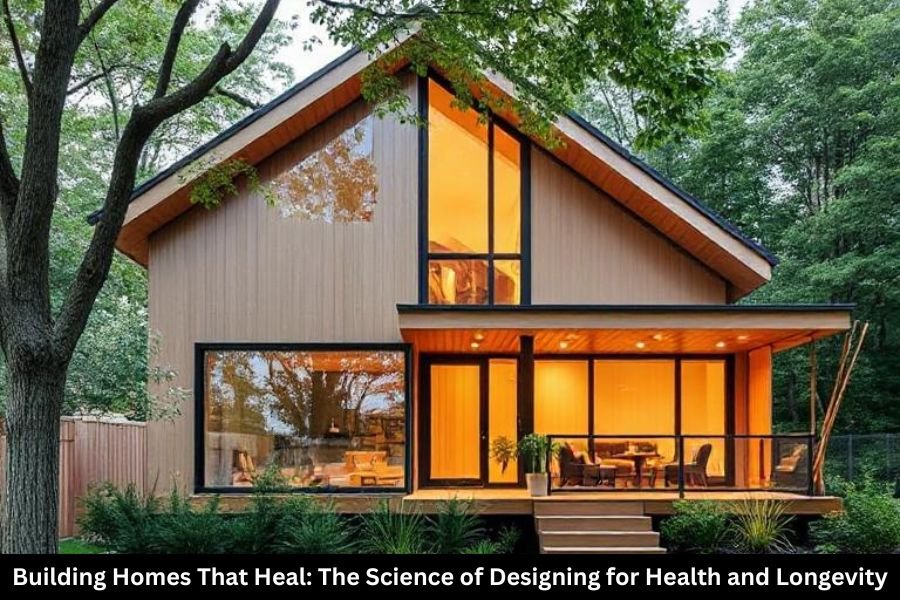
Let’s start with a simple question: does your home make you feel better… or just sheltered?
Most of us think of a house as a physical structure — walls, roof, furniture, Wi-Fi. But what if your home could actively improve your health? Lower your stress? Help you sleep like a baby? Even support a longer, happier life?
Welcome to the idea of healing homes — spaces intentionally designed to nurture both body and mind.
Why Our Homes Affect Our Health
Think about how much time you spend indoors. Sleeping. Working. Eating. Scrolling. Recovering from long days. Your home is basically your personal ecosystem.
If the air is stale, lighting is harsh, noise is constant, and the layout stresses you out, your body doesn’t just ignore it. It reacts.
Headaches. Fatigue. Poor sleep. Irritability. Burnout.
Your environment whispers to your nervous system all day long.
The Shift Toward Wellness-Centered Living
People are waking up (sometimes literally at 3 AM) to a powerful realization: health isn’t built only in gyms and kitchens. It’s built in bedrooms, living rooms, and workspaces.
Design is becoming preventive medicine.
The Science Behind Healthy Homes
Healing home design isn’t guesswork or aesthetics alone. It’s deeply rooted in biology and psychology.
Environmental Psychology
Environmental psychology studies how spaces influence human behavior and emotions. In short, design changes how you feel, think, and function.
A cramped, dark room can increase anxiety. An open, light-filled space can enhance calm and creativity.
Your brain constantly scans your surroundings for cues: safety, comfort, stimulation, threat.
Indoor Air Quality and Human Health
Here’s something unsettling: indoor air can be more polluted than outdoor air.
Sources include:
- Synthetic materials
- Cleaning chemicals
- Poor ventilation
- Dust and allergens
Poor air quality is linked to:
- Respiratory issues
- Brain fog
- Fatigue
- Sleep disturbances
Breathing clean air isn’t a luxury. It’s survival basics.
Light, Circadian Rhythms, and Sleep
Light controls your internal clock.
Morning light tells your brain: “Wake up.”
Evening darkness says: “Wind down.”
Artificial lighting that ignores natural rhythms can confuse your body, disrupt sleep, and drain energy.
Ever struggled to fall asleep after binge-watching under bright LEDs? Exactly.
Core Elements of a Healing Home
Let’s break this into tangible design pillars.
Clean Air and Ventilation
Fresh air equals fresh mind.
Improve air quality by:
- Opening windows daily
- Using air-purifying plants
- Installing exhaust systems
- Choosing low-VOC materials
Your lungs deserve better than recycled dust.
Natural Light Optimization
Sunlight is nature’s antidepressant.
Maximize it with:
- Larger windows
- Light-reflective surfaces
- Minimal heavy drapes
- Thoughtful furniture placement
Light transforms mood faster than coffee.
Non-Toxic Materials
Many conventional materials release harmful chemicals.
Safer alternatives:
- Solid wood over particleboard
- Natural fabrics (cotton, linen, wool)
- Low-VOC paints
- Non-toxic adhesives
Your home shouldn’t off-gas stress.
Acoustic Comfort
Noise is an invisible stressor.
Solutions:
- Soft furnishings (rugs, curtains)
- Acoustic panels
- Better insulation
- Quiet zones
Noise and Stress Connection
Chronic noise exposure increases cortisol and disrupts focus and sleep. Even low-level background noise can keep your nervous system slightly on edge.
Silence isn’t empty. It’s restorative.
Designing for Mental Well-being
Your home is your psychological recharge station.
Color Psychology
Colors influence emotions more than we realize.
- Blues & greens → calming
- Warm neutrals → grounding
- Bright reds → stimulating (sometimes stressful)
Choosing colors is like tuning emotional background music.
Biophilic Design Principles
Humans crave nature.
Add:
- Plants
- Natural textures
- Organic shapes
- Nature views
Even subtle natural elements can reduce stress and improve mood.
Decluttering and Cognitive Clarity
Clutter equals mental noise.
A messy space competes for attention, increases stress, and drains mental energy.
Decluttering isn’t minimalism obsession — it’s mental hygiene.
Designing for Physical Health
Comfort isn’t indulgence. It’s physiology.
Ergonomics at Home
Kitchen counters too low? Desk too high? Couch swallowing your spine?
Bad ergonomics = chronic pain waiting to happen.
Prioritize:
- Supportive chairs
- Proper desk height
- Comfortable mattresses
Your joints will thank you later.
Movement-Friendly Layouts
Homes should encourage movement, not sedentary marathons.
Ideas:
- Visible stairs
- Open walking paths
- Space for stretching or yoga
Your body loves gentle, frequent motion.
Thermal Comfort
Too hot → irritability
Too cold → tension
Consistent, comfortable temperatures help regulate sleep, focus, and relaxation.
The Role of Technology in Healthy Homes
Tech isn’t the enemy. Poorly used tech is.
Smart Air Purification
Modern systems monitor pollutants and automatically clean indoor air.
It’s like having a silent health guardian.
Circadian Lighting Systems
These mimic natural daylight cycles, supporting sleep and energy balance.
Morning brightness. Evening warmth.
Your biology stays aligned.
Health Monitoring Features
Some homes now integrate wellness tracking — air quality, humidity, sleep-supportive conditions.
The house becomes interactive.
Longevity-Focused Design
Healing homes aren’t just about feeling good today. They’re about thriving decades from now.
Aging-in-Place Concepts
Designing for future mobility changes:
- Step-free entries
- Wider doorways
- Accessible bathrooms
Smart now. Essential later.
Safety and Accessibility
Falls and accidents are major health risks at home.
Prevent with:
- Good lighting
- Non-slip flooring
- Grab bars
- Clear pathways
Stress-Reducing Spaces
Every home needs emotional refuge.
A reading nook. Meditation corner. Balcony garden.
Tiny sanctuaries matter.
Practical Ways to Create a Healing Home
No demolition required.
Budget-Friendly Changes
- Rearrange for better light
- Add plants
- Switch to warm lighting
- Declutter
- Improve ventilation
Small shifts, real impact.
Simple Daily Habits
- Air out rooms
- Let sunlight in
- Maintain cleanliness
- Reduce noise
- Create tech-free zones
Design + habits = lifestyle medicine.
Common Mistakes to Avoid
Overdesigning
Perfection can become pressure. Healing spaces should feel natural, not staged.
Ignoring Personal Comfort
Trends don’t live in your nervous system — you do.
If it doesn’t feel good, it isn’t good design for you.
The Future of Health-Centered Homes
Preventive Design
Homes will increasingly function as proactive health environments rather than passive shelters.
Sustainable Wellness Living
Eco-friendly materials + human-centered design = long-term planetary and personal health.
Conclusion
Your home is more than a place you return to. It’s a place that shapes your sleep, stress, energy, mood, and longevity.
When design supports biology, life feels lighter.
Because a truly great home doesn’t just protect you from the outside world.
It helps you heal from it.
FAQs
1. What is a healing home?
A healing home is designed to enhance physical, mental, and emotional well-being through elements like light, air quality, materials, and layout.
2. Can I create a healing home without renovating?
Yes. Simple changes like decluttering, adding plants, improving lighting, and ventilation can make a big difference.
3. Does lighting really affect health?
Absolutely. Lighting influences sleep cycles, mood, and energy levels via circadian rhythms.
4. Are indoor pollutants really a concern?
Yes. Many homes contain VOCs, allergens, and pollutants that impact respiratory and cognitive health.
5. Is healing home design expensive?
It can be high-end, but many effective upgrades are affordable and DIY-friendly.